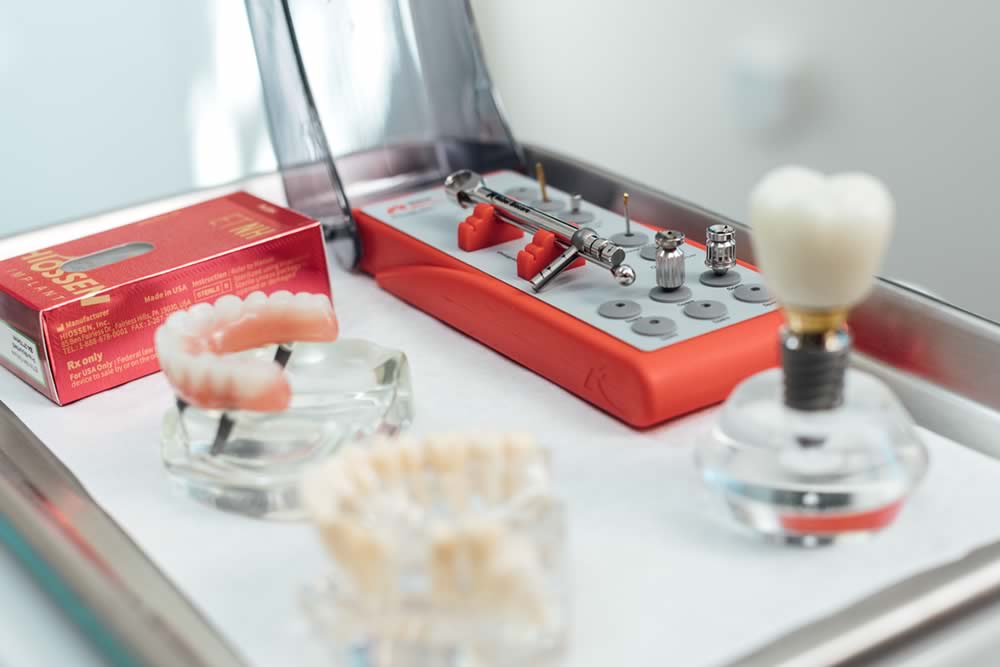
Getting a dental implant is a major step forward in restoring your smile, confidence, and mouth functionality. The work doesn’t stop once the implant has been placed and the crown fitted however. The way that you look after your new implant in the weeks, months, and years that follow has a major influence on its success, and in this post, we will explore what care you need to take, what challenges you might face, and practical tips to help your new implant thrive.
A dental implant isn’t just a replacement tooth, it’s an artificial tooth root that is ‘anchored’ into your jawbone. When it integrates fully, it behaves very much like a natural tooth. This also means that although it is entirely artificial, you still need to look after it correctly to ensure its ongoing success. Luckily, this is not hard to do.
If you don’t keep the area around the implant clean, plaque accumulation, and inflammation there can lead to peri-implantitis, a condition similar to gum disease around natural teeth, but one that can lead to bone loss and implant failure if left unchecked. You want your implant to last decades (ideally for life), so from day one, good oral care matters.
Right after your dental implant surgery at the Smile Dental Practice in Croydon, your body will begin the healing and integration process. For the first few days, expect a little swelling, mild discomfort, and perhaps slight bleeding. You will be advised to stick to soft, non-chewy foods and avoid exerting pressure on the area. Smoking, heavy exercise, and alcohol are strongly discouraged during this early phase to allow stable healing.
Our implant dentist will guide you carefully and you will be given advice on how to clean around the area until such a time that gentle brushing can be introduced. You will also be asked to attend follow-up visits. These early days are critical, for both soft tissues and the bone around the implant, to adapt properly.
Once initial healing is complete and our dentist advises you to do so, regular oral hygiene becomes your best friend. Brushing, flossing, and careful cleaning around the implant must become routine. A soft-bristle brush will help to remove plaque gently without damaging the gums.
You will need to pay special attention to the area where the implant meets gum and where the crown meets the abutment. These are areas where plaque tends to accumulate. Use gentle brushing in a circular motion and don’t apply too much pressure. If you notice any issues with your gums, such as soreness or bleeding, make sure to see our dentist as soon as you can.
No matter how diligent you are at home, regular professional appointments at our Croydon dentist clinic are essential. Our hygienists and dentists will use instruments safe for implants to remove hard deposits (tartar) and polish surfaces without scratching the implant material. They will check the softness and health of your gums, measure pocket depths around the implant, and monitor bone levels if needed.
In early years especially, visits every 3 to 6 months should help to catch any problems before they escalate. Over time, we may extend this to a regular frequency. If any signs of trouble appear such as bleeding, gum swelling, or changes in the implant’s stability; addressing them early gives the best chance of preservation.
Even in the longer term, some habits can threaten the health of your implant.
When properly cared for, dental implants have a very high success rate; many stay secure and functional for decades. The key is consistency - good daily habits, professional oversight, and prompt responses to warning signs.
Dental implants that fail tend to do so typically because of gum disease, peri-implantitis, or overloading. But by avoiding those risks, you give your implant the best possible future.
It is helpful to remember that dental implants aren’t magic; they are replacements, and while they behave like natural teeth in many ways, they also depend on how well you look after them. Some patience is needed early on as tissues settle, and occasional sensitivity is not uncommon. Eventually, patients tend to forget which tooth is the implant because it blends so naturally into everyday life.
Looking after new dental implants is a journey. It begins with cautious initial aftercare, followed by quality daily oral care along with professional monitoring. With good care and intervention if any issues are noticed, your implants can last you for a lifetime, bringing back the full functionality and the confidence of a natural smile.
If you would like to discover more about this increasingly popular tooth replacement procedure and to find out if you are a suitable candidate, why not contact us to arrange an initial consultation with our local implant dentist? You can do this by calling the Smile Dental Practice Croydon on 020 8649 7911 and our experienced team will be delighted to help.
Design By Dental Media

